Lore, not a family tree — and not a coat of arms.
Boiano is not a small name that happened to survive. It is first a place of consequence: Bojano, in Molise, the old gastaldate chroniclers named when they tried to locate a Bulgar settlement in the high country. A gastaldate is a district. Districts are what power bothers to write down.
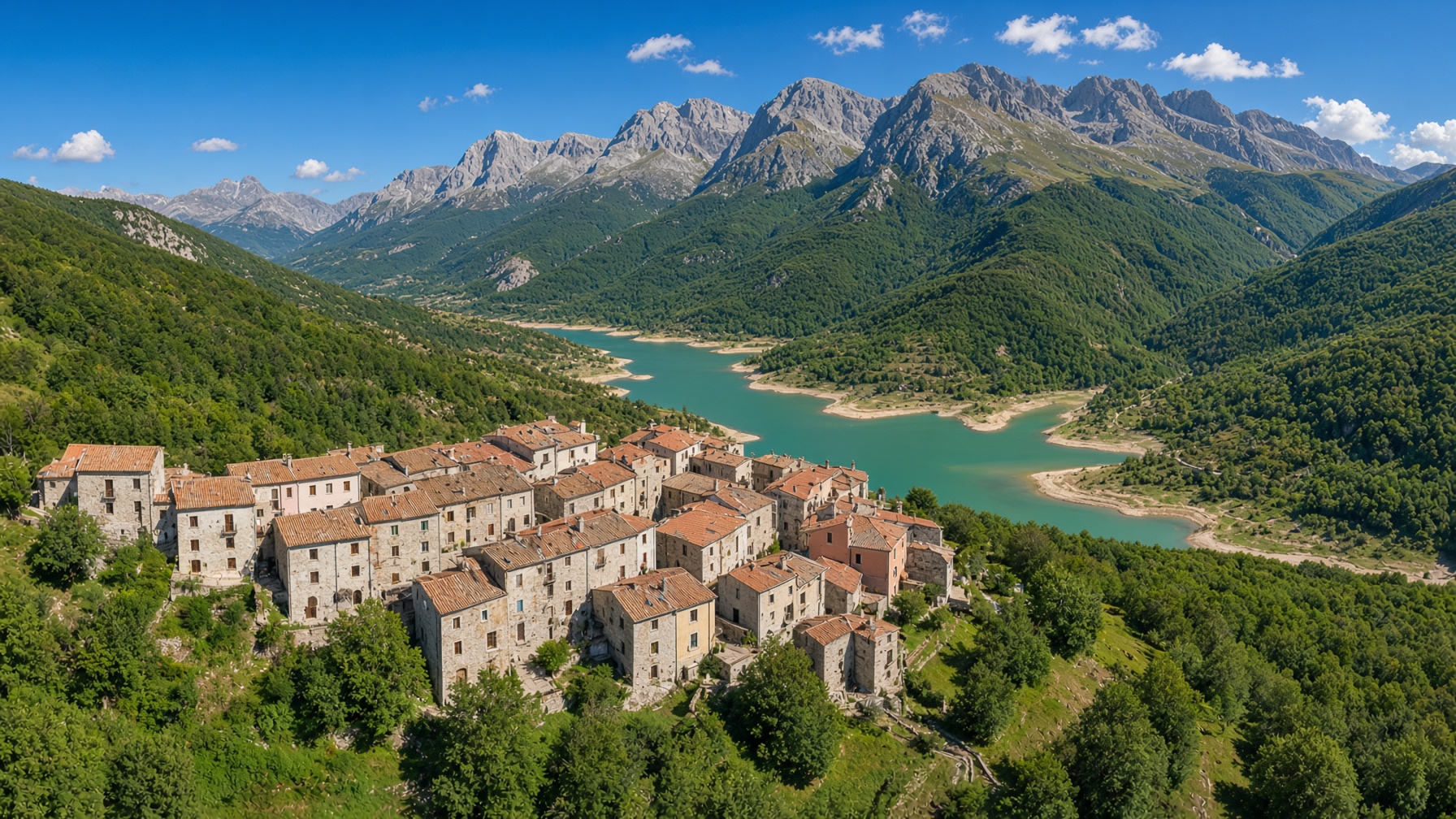
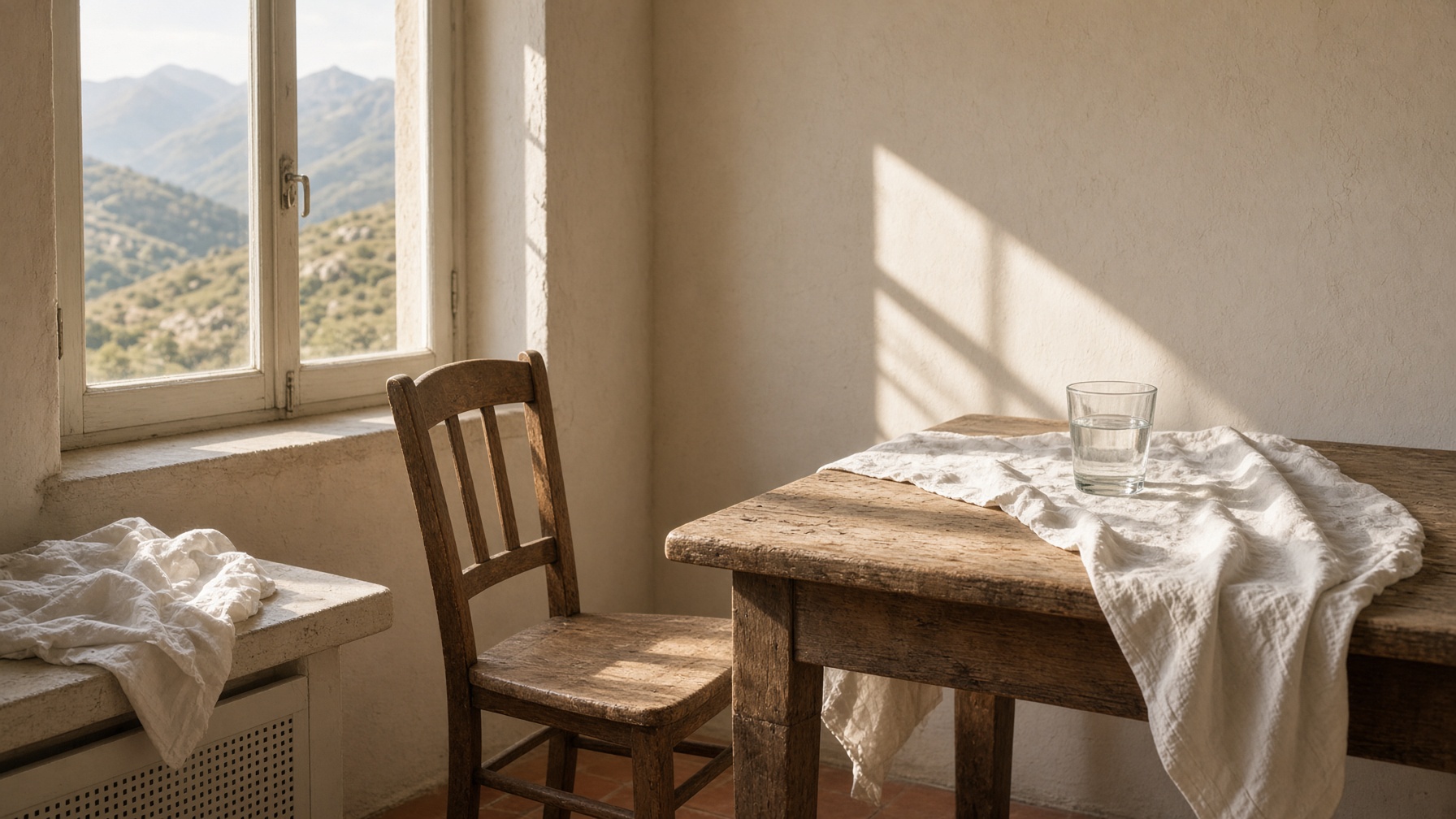
In Gallo the name is limestone. An eighteenth-century palazzo of the Signori di Bojano still stands on the hill, empty now — rooms that once announced a household that could afford cut stone and a view. The title and the surname are not the same paper. One is a lordship. The other is a road home. Both point to the same old town, and Gallesi have always known the difference without needing a lecture.
When Boianos left for the Bronx, Rhode Island, Canada, they did not leave a whisper. They left a name other Gallesi recognized on a doorbell, in a kitchen, on a letter that still said Gallo. Officials heard it through glass and wrote it wrong. The family kept saying it right. If it is yours, treat this as a door with weight on it — then ask a living relative who sat in those rooms, and who only inherited the sound of them.