Skip to content
Gallo MateseRu Uàllë
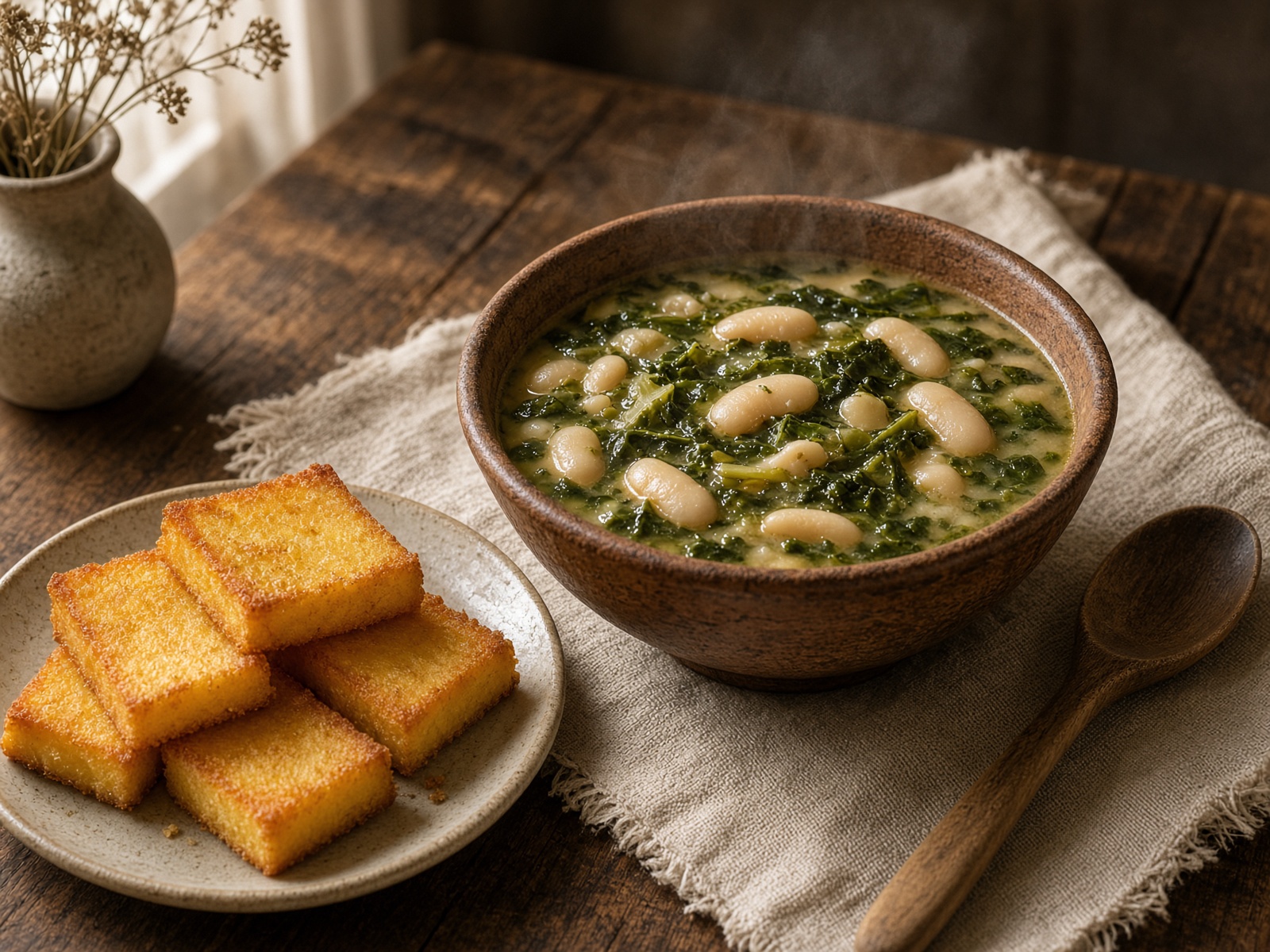
Fried polenta and a bowl of bean soup with greens

Food & table

Beans that climb maize. Polenta that waits until tomorrow.

The kitchen of Gallo is poor in the honest sense: seed kept, fat saved, a plate that can feed whoever walks in.

The fagiolo di Gallo Matese is a small white bean with a thin skin, grown in Gallo, Letino, San Gregorio Matese and nearby contrade. Families planted it with the local red maize and let it climb. Slow Food placed it in the Ark of Taste. Campania listed it among traditional products and in the regional germplasm bank as at risk. It survives in family gardens more for love than for a market.

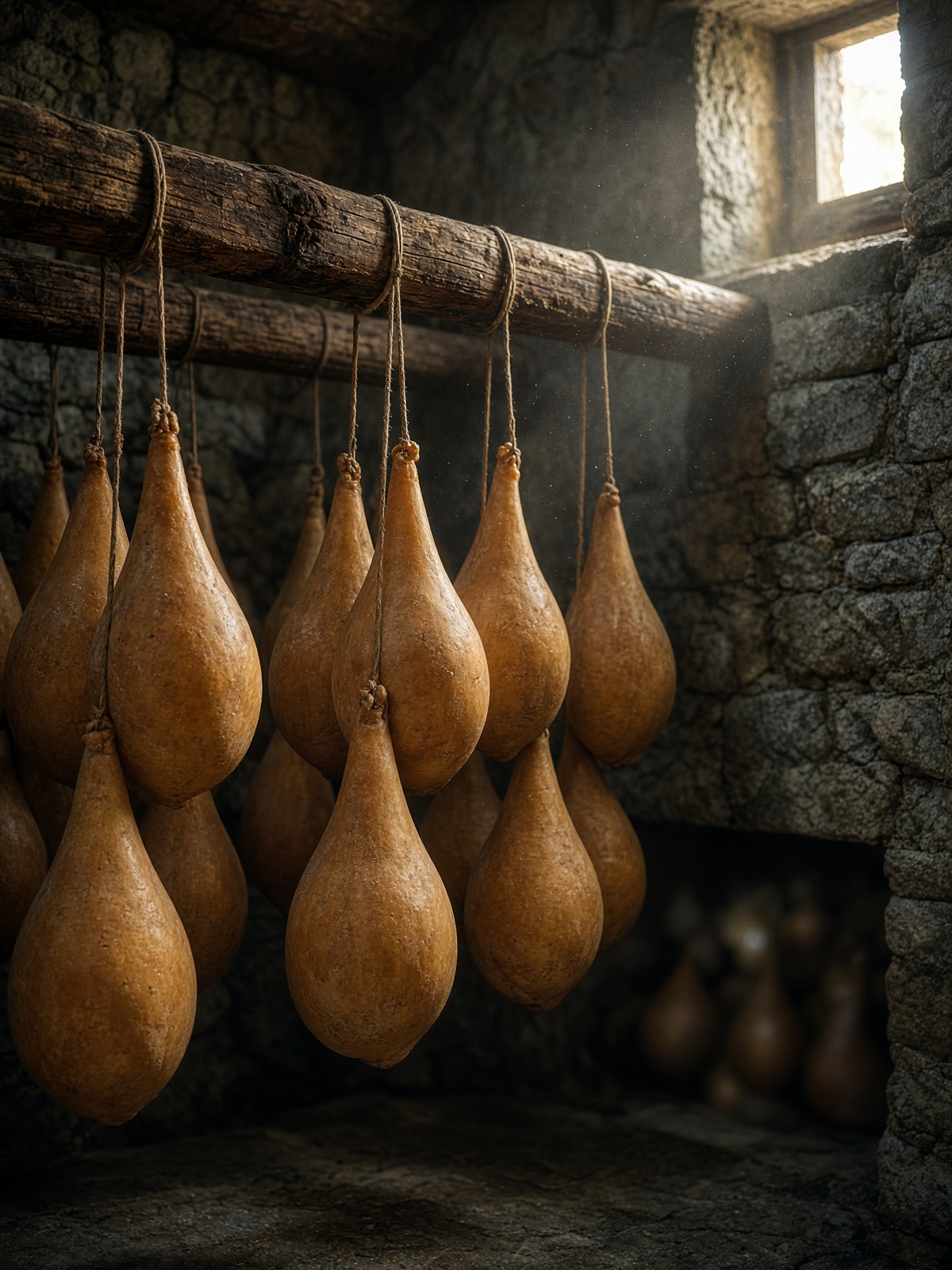
Frattaccio is the other half of the mountain plate: firm polenta, cooled, cut, fried, served with the beans like crostini. With greens and sausage it is frattacc’, fasuor’, m’nestra i sauchicchia. Tagliatelle with beans and pork rind is sogn i fasuor i cotna. A pan of leftover polenta, potato and sausage is l’frecul’. Caciocavallo and pecorino hang in the cool. Bread is local, dense, meant to last. Tombolo lace is the other craft — not edible, but it sat at the same table.

Older names — frascariegl, rattnota, pon’ cuott’ — live mostly in memory. If someone still cooks them, send the method. See also How to ask for the recipe.

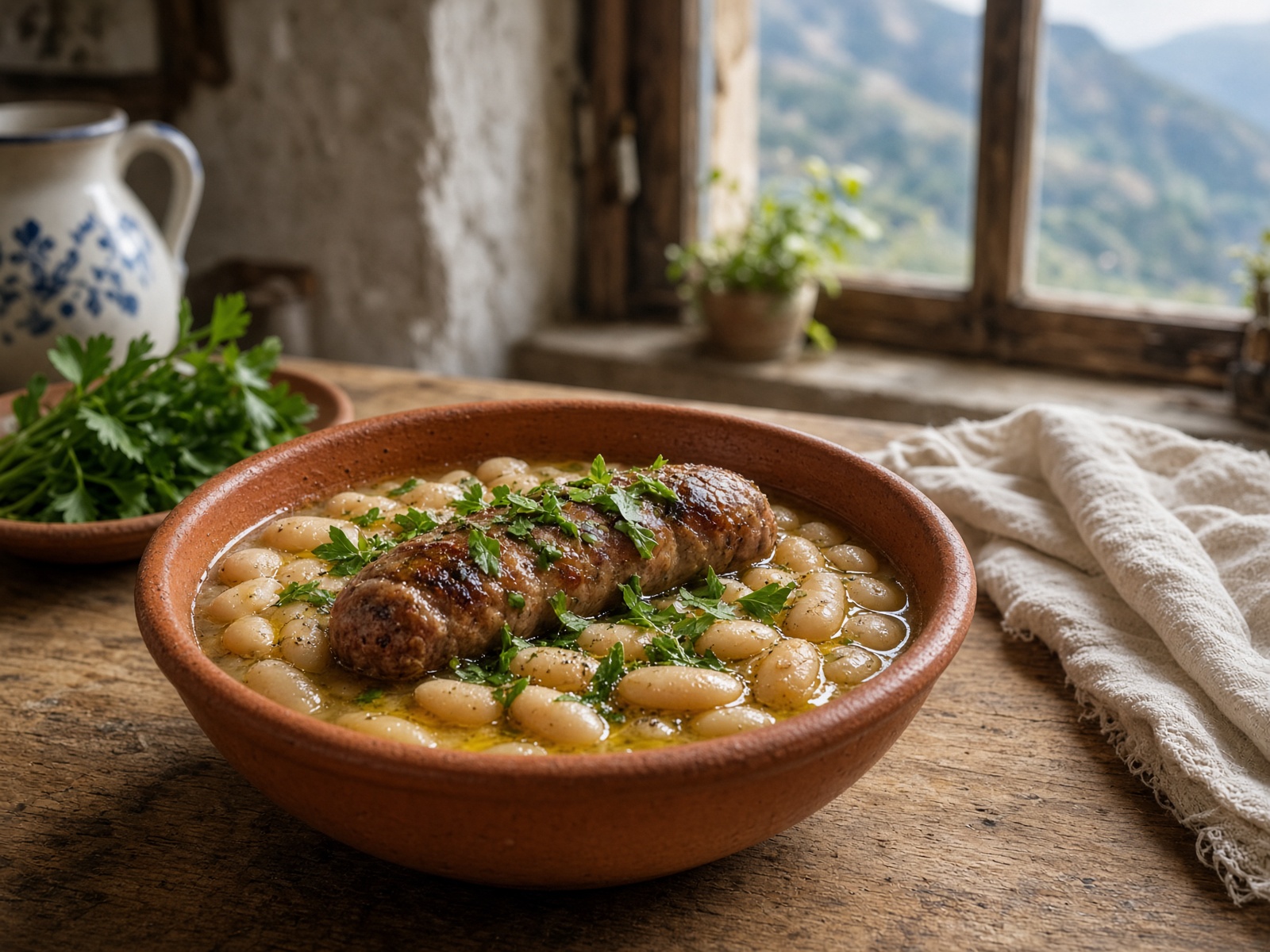
White beans in a terracotta bowl
Fried squares of polenta beside a bowl of white bean soup with greens on a dark wooden table

Recipe of the month

Fagioli e frattaccio

Frattacc’, fasuor’, m’nestra

The mountain plate: thin-skinned white beans and cooled polenta, cut and fried, with greens and sausage if the house has them.

Overnight soak + 2 hours · Serves 4–6

Ingredients

  • 400 g fagioli di Gallo Matese (or another small thin-skinned white bean), soaked overnight
  • Yellow cornmeal, coarse — enough for a firm polenta, about 300 g
  • Water and a little salt for the polenta
  • A piece of sausage under strutto, or olive oil if that is what you have
  • Wild chicory, or savoy cabbage, blanched
  • A clove of garlic, optional
  • Black pepper

Method

  1. Cook the soaked beans slowly in an earthen pot or heavy pan until they yield, keeping them just covered. Salt late.
  2. In a separate pan, make a firm polenta. Spread it on a board to cool completely. This is the frattaccio — not a porridge you eat with a spoon tonight.
  3. Cut the cooled polenta into pieces. Fry them in a little fat until the edges take color.
  4. Soffritto: sausage with strutto, then the blanched greens. Add the beans with some of their liquor.
  5. Serve the soup in a bowl and the fried frattaccio beside it, or in it, like crostini that remember the field.

The bean of Gallo Matese is a Slow Food Ark of Taste ecotype — small, white, thin-skinned, grown with the local red maize it used to climb. If you cannot find it, say so at the table. The method still holds.
Small white mountain beans in a worn terracotta bowl

Recipe

Tagliatelle with beans and cotiche

Sogn i fasuor i cotna

Handmade pasta, beans, and pork rind — a feast-eve plate that tastes like a house that kept the pig.

3 hours · Serves 6

Ingredients

  • Fresh tagliatelle, or sogn — flour and egg, rolled thin
  • Soaked white beans
  • Cotiche (pork rind), simmered until tender
  • Onion, celery, a little tomato if it is summer
  • Olive oil or lard
  • Parsley, pepper, pecorino at the table

Method

  1. Simmer the beans and the cotiche separately until both are kind. Combine them with a soffritto.
  2. Roll and cut the pasta. Salt a large pot of water.
  3. Cook the sogn just to the bite. Fold them into the beans — not the other way around. The liquor should coat, not drown.
  4. Pecorino and pepper at the table. No cream. Ever.

This is a winter-and-feast dish. If you skip the cotiche, you have a different plate. Call it that.

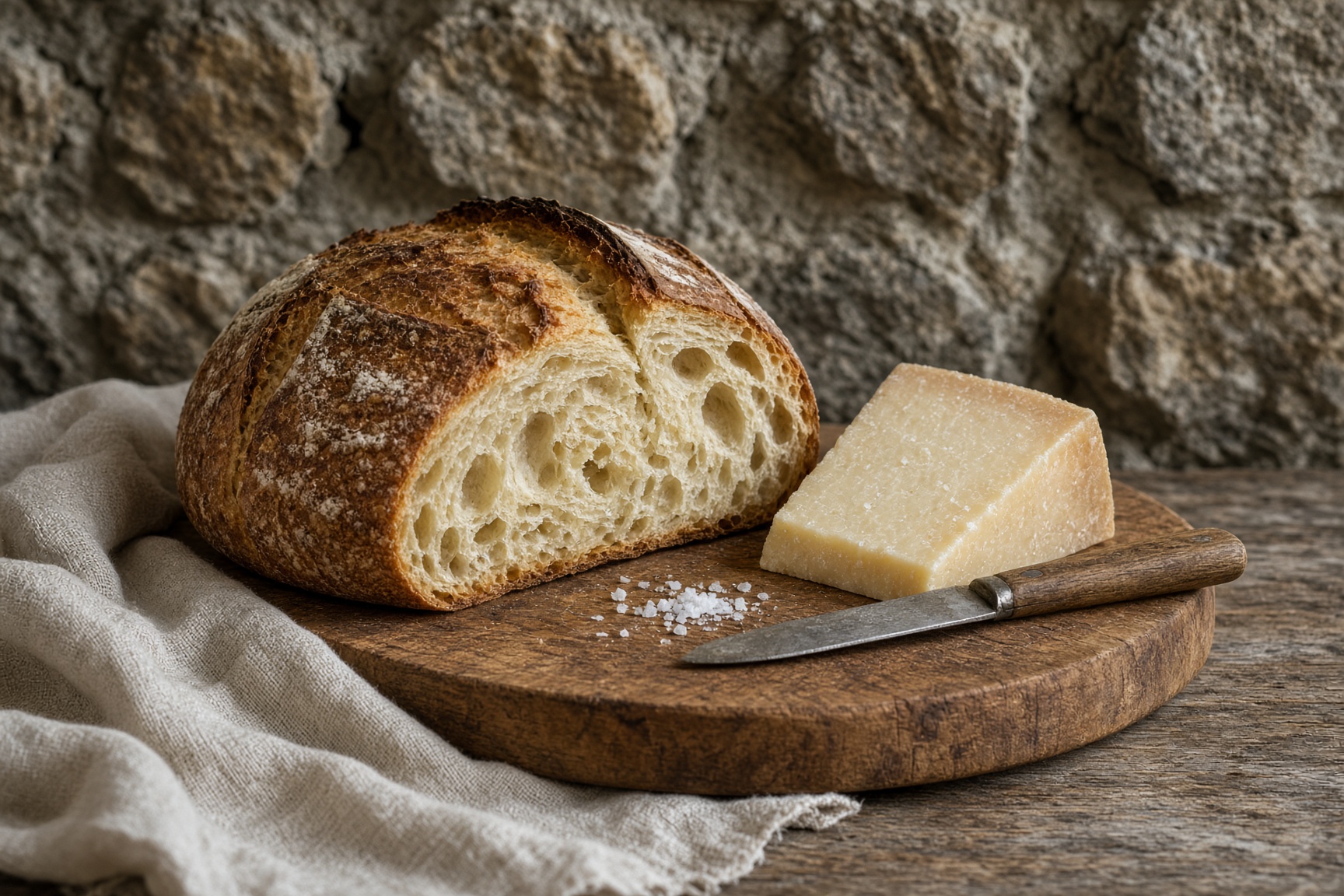
Country loaf, pecorino, and a knife on a wooden board

Recipe

L’frecul’

L’frecul’

Frattaccio, potato, and sausage cooked together on the fire — the pan that ends an afternoon of wood.

90 minutes · Serves 4

Ingredients

  • Leftover firm polenta, cubed
  • Potatoes, cut rustic
  • Local sausage, in pieces
  • A little fat from the house
  • Salt, pepper, maybe rosemary if it grows by the door

Method

  1. Render the sausage. Add potato. Let them take color in a heavy pan.
  2. Add the cubes of frattaccio last, so they crisp rather than melt.
  3. Cook until the potato yields and the pan smells like a closed kitchen in January.

Older plates — frascariegl, rattnota, pon’ cuott’ — live mostly in memory. If your grandmother still makes one, write it down this year.

White mountain beans in a terracotta bowl

From the book

Food is what happens when history enters the body and asks to be carried forward.

Recipes live here. The table in the book is the reason they were kept.

Read the opening chapter