The Bronx
Sunday gravy that is really a mountain soup in city clothes. Names on doorbells that still know Gallo.
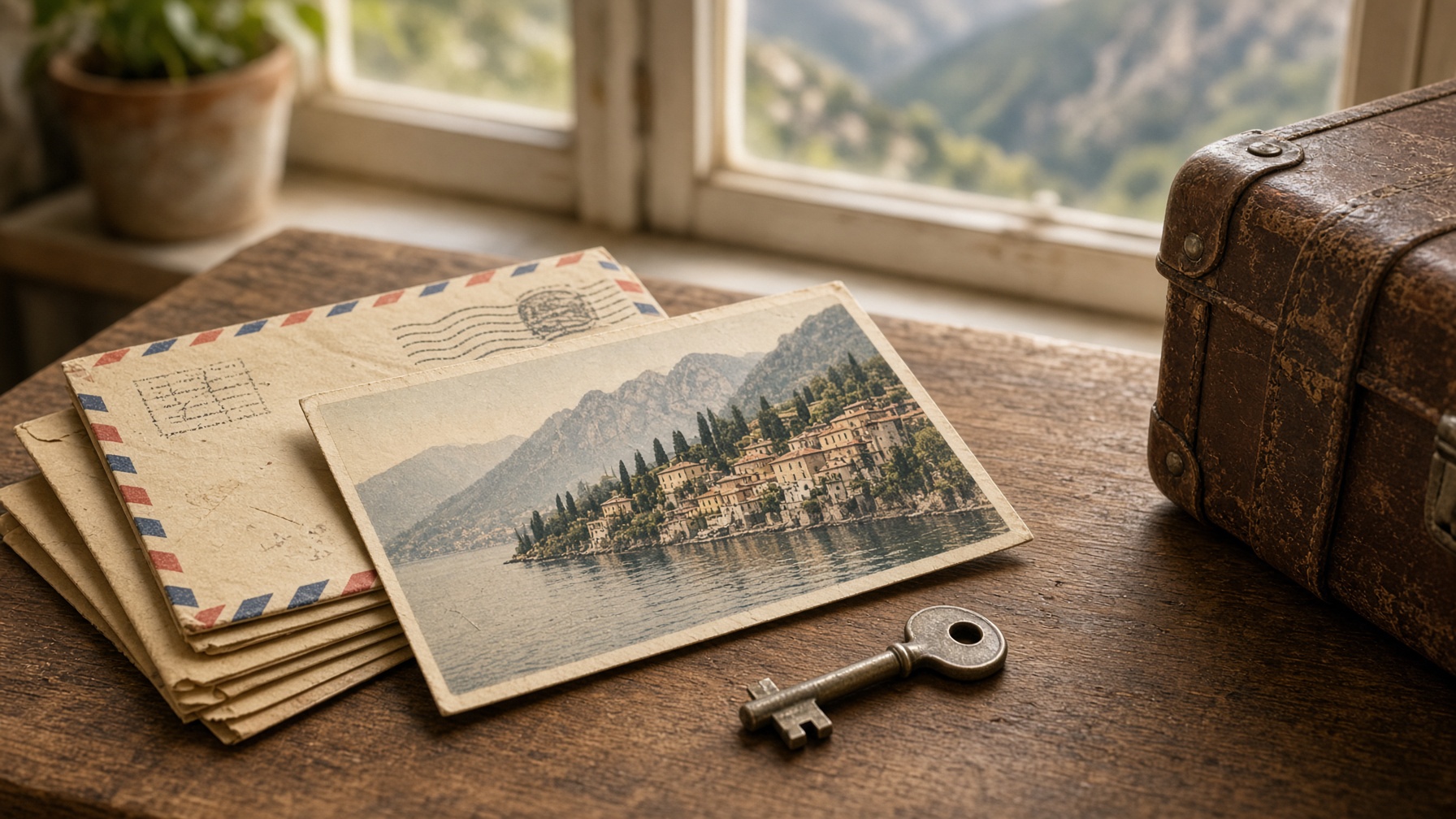
Names & diaspora
Bronx doorbells, Rhode Island kitchens, Canadian winters. The names stayed almost the same. The chairs did not.
After the 1921 peak the documents thin and the Atlantic fills. Gallesi went where work was: the Bronx, Rhode Island mill towns, Canada. They sent money in letters that still said Gallo. They named children after the dead. They cooked beans that had never seen this mountain and still tasted like it if the sausage was right.
If you are looking for a family, start with a living person. The internet is a drawer of unlabelled photographs. A cousin in a kitchen is an archive. Ask what the house was called. Ask who sat where on Sunday. Ask whether anyone still goes in June. Write it down this year.
Sunday gravy that is really a mountain soup in city clothes. Names on doorbells that still know Gallo.
Mill towns and kitchens where dialect mixed with English and never quite chose.
A colder winter, the same beans, letters that took weeks and still said “come home in June.”
A name with weight
Bojano, Boiani — from a district, not a whisper.
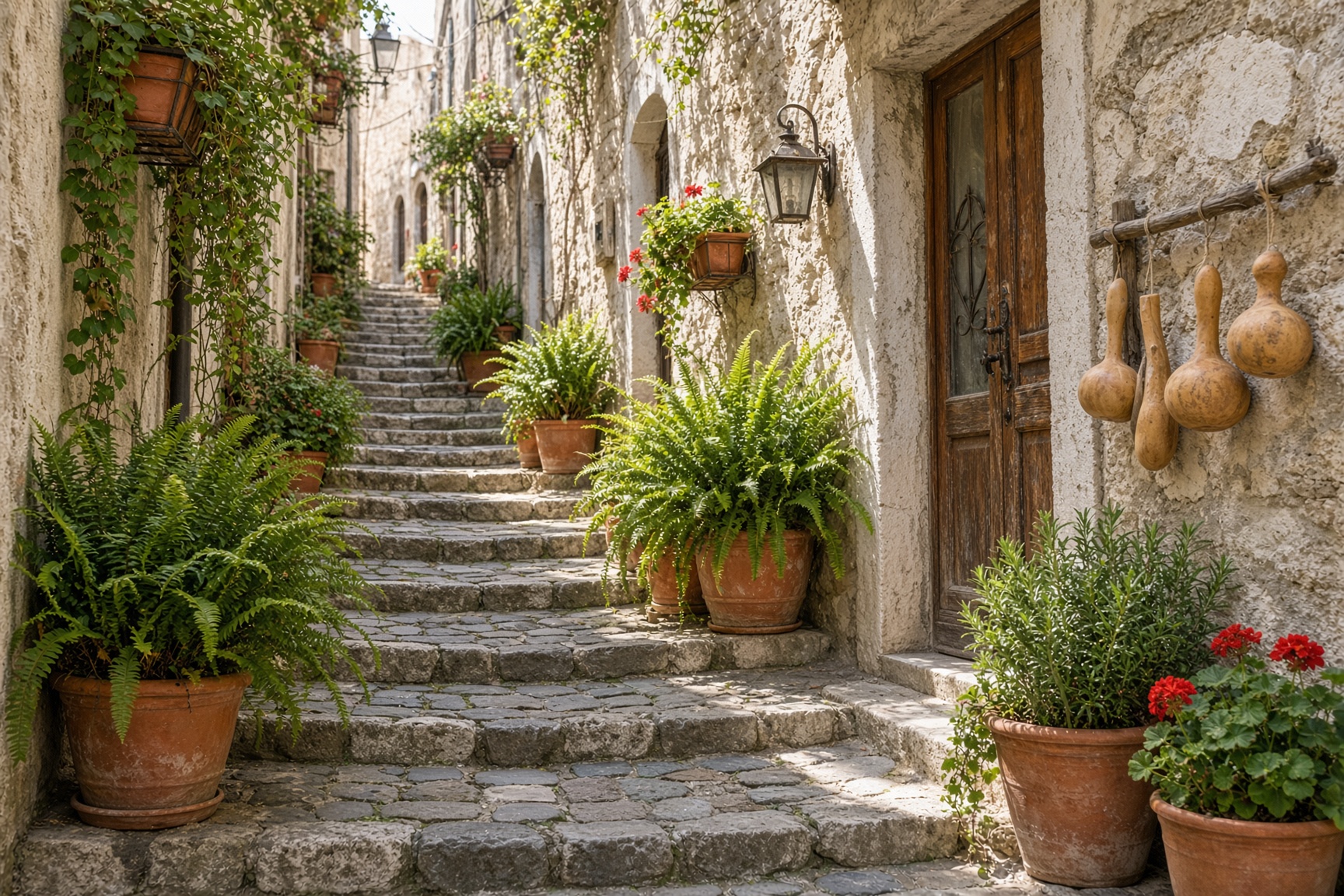
Some names arrive in America already tired. Boiano did not. It is a toponymic with a district behind it: Bojano in Molise, the gastaldate named in the Alzeco tradition — a place important enough for a chronicle, not a fold nobody bothered to spell. In Gallo the name is still on the hill. The eighteenth-century palazzo of the Signori di Bojano stands in limestone, long empty, a household that could once afford cut stone and silence. See it on The town. The title is not a certificate that every Boiano was a signore. It is proof the name belonged to rooms other people looked up at.
Across the water the name kept its posture. Bronx doorbells. Rhode Island kitchens. Letters that still said Gallo. Officials wrote it through a pane of glass; families kept the older sound. One Boiano from this mountain wrote the town into a book so the empty chair would have a place in print — Dominick Boiano, whose people are of Ru Uàllë. That is not a dynasty. It is a name that kept being spoken in rooms that mattered.
If it is yours, do not hunt a coat of arms. Ask who could enter that palazzo, who only walked past it, who left, and who still sets a chair. The prominence is in the asking.
A southern patronymic — of Pietro Antonio — common in the high Caserta and Molise folds. If it is on your envelope, ask which house, not which coat of arms.
Dove, paloma: a nickname that became a name across the Mezzogiorno. In a small town it may still point to one courtyard. In the Bronx it points to a doorbell.
Short, old, and easy to misspell in American records. Track the vowels. Track the town on the ship list. Do not stop at Ancestry’s first guess.
The onion in the name traveled farther than the field. Family account ties it to Gallo; a later American life carried the mountain into public rooms. Still a doorbell first, not a monument.
A letter from the leaving is in Letters that still say Gallo.
Guestbook
A short message to the town — not a guestbook of applause. A sentence you would say if you were standing in the piazza at dusk.
“The chair in the courtyard is not empty. It is waiting for whoever gets here next.”
G. · Gallo, in August
“My father would not say the name of the town without sitting down first.”
Anna · Providence
“We still set a place for zia. She would have hated that we talk about it.”
M. · Arthur Avenue
From the book
“A surname is often less a solution than a doorbell.”
Lore belongs on this page. The questions to ask a living relative take a longer walk.
Read the opening chapter